

Water Damage Restoration Cost in Charleston, WV
Charleston-area homes face significant water damage risk during heavy seasonal rainfall, when the Kanawha and Elk Rivers can overflow and flash flooding affects properties across neighborhoods from the South Hills to the West Side. Water Damage Restoration Cost depends entirely on what a local provider discovers during their inspection—the extent of saturation, affected materials, and required remediation work all shape the scope. Acting quickly after water intrusion typically limits how far damage spreads, which can reduce the work needed and the resources your restoration provider must commit.
Water Damage Restoration Cost in Charleston, WV
Charleston property owners face real water damage risk from flash flooding and river flooding tied to seasonal heavy rains, particularly when the Kanawha and Elk Rivers rise. Homes in older neighborhoods built into hillsides—where basements and crawl spaces are more common than in newer flat-area construction—face specific exposure to water intrusion during these events. When water enters a home, the question of restoration cost becomes urgent. Understanding what drives that cost helps you make informed decisions before calling for help, and it underscores why speed matters: water that sits and spreads creates far more work and expense than water addressed immediately.
Morrow Water Damage Restoration connects Charleston property owners with independent local restoration providers who inspect the damage, assess what category of water entered the home, measure the affected area and materials, and determine the scope of equipment, drying time, and reconstruction needed. This direct connection to local providers means you get a cost assessment grounded in your specific damage, not a general estimate. The sooner you reach out after water damage occurs, the smaller the affected area typically remains and the less extensive the necessary work becomes—a reality that shapes restoration cost from start to finish.
Why Charleston Property Owners Call Morrow Water Damage Restoration
Water Category Determines Scope
Clean water from burst pipes costs less to restore than gray water from appliances or black water from sewage. The dirtier the water source, the more materials must be removed and replaced, and the longer decontamination takes. This single factor reshapes the entire project's scale and duration.
Area and Materials Drive Labor
A small bedroom with damp drywall costs far less than a flooded basement full of furniture, flooring, and cabinetry. Each material—wood, carpet, drywall, insulation—absorbs water differently and requires different removal or drying methods. The larger the affected space and the more materials involved, the more equipment and labor the restoration demands.
Drying Time and Equipment Needs
Fast water removal prevents deeper saturation and mold growth, keeping costs down. Slow or incomplete drying forces providers to deploy dehumidifiers, air movers, and moisture monitoring for days or weeks. The longer water remains, the more equipment sits on-site and the higher the total restoration bill becomes.
Seasonal Flooding Adds Complexity
Charleston's proximity to the Kanawha and Elk Rivers means heavy seasonal rains can flood basements and lower-level spaces in older neighborhoods, compounding water damage scope. Flood-sourced water often carries sediment and debris, requiring extra cleaning and disposal. Quick action after a flooding event limits how deep water penetrates foundations and crawl spaces, keeping restoration work from expanding.
How Your Water Damage Restoration Cost Is Estimated in Charleston, WV
From your first call to the final invoice, the goal is simple: understand what is driving Water Damage Restoration Cost for your property before any work begins.
Call for a Local Provider Match
Contact Morrow to be connected with an independent water damage restoration provider in Charleston. The provider's cost estimate depends entirely on inspecting the specific damage—the type of water involved, how much area was affected, which materials absorbed it, and how long the drying process will take.
Receive an On-Site Assessment and Estimate
A provider visits your property to document water damage restoration costs based on scope: whether the water is clean, gray, or sewage; how many square feet need drying or removal; which structural materials and contents are affected; what equipment and labor are required; and whether mold has begun. Acting quickly limits the damage and keeps restoration costs from growing.
Review the Estimate Before Work Begins
The provider details the water damage restoration cost, what work is included, drying duration, and equipment needs. You approve the scope in writing before any restoration work starts, ensuring you understand exactly what drives the final cost for your property.
Wondering about Water Damage Restoration Cost in Charleston? Get an on-site estimate from a local provider.
Call Now — (304) 449-8849Water Damage Restoration Cost Across Charleston
Water damage restoration costs in Charleston depend heavily on which type of water entered your property and how much of your home was affected. Homes in older hillside neighborhoods often feature basements or crawl spaces that are vulnerable during heavy rain events, while newer construction in flatter areas typically relies on slab foundations—each foundation type holds water differently and requires different drying strategies, which influences the scope and cost of restoration work. When the Kanawha and Elk Rivers flood during seasonal heavy rain, basements and crawl spaces can fill quickly, meaning more square footage to dry, more equipment running longer, and a higher likelihood that structural materials like drywall, flooring, or cabinetry will need removal and rebuilding.
The cost of your restoration also hinges on whether the water was clean (from a burst pipe or rain), gray water (from appliances or toilets), or black water (from sewage or river contamination)—black water requires more intensive treatment and safety precautions, raising the expense. Acting quickly after water enters your home keeps the damage smaller: the longer materials stay wet, the more drying time your restoration provider will need, the more equipment they'll deploy, and the greater the risk that mold will begin to grow, each of which expands the work required. In neighborhoods like South Hills and East End, where older construction and hillside locations are common, understanding these cost drivers helps you make informed decisions before calling a local restoration provider for an inspection and estimate.
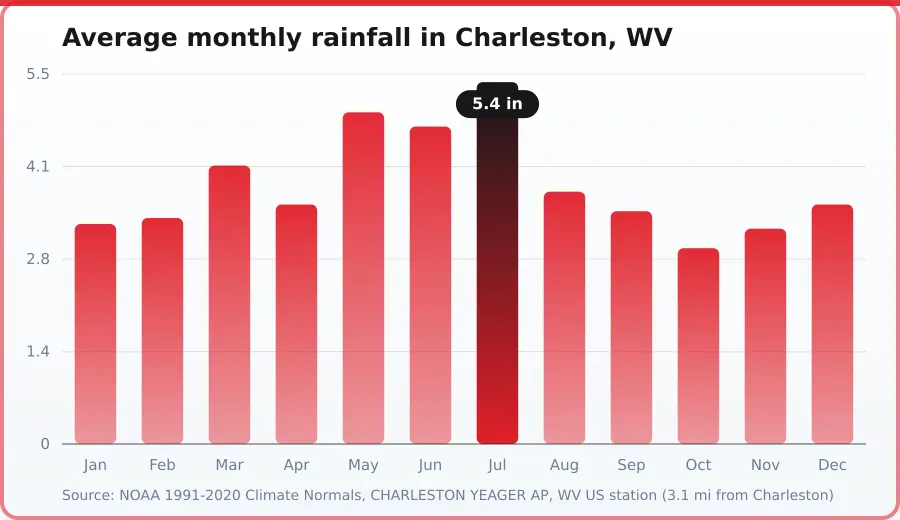
| Period | Monthly rainfall (in) |
|---|---|
| Jan | 3.3 |
| Feb | 3.4 |
| Mar | 4.1 |
| Apr | 3.6 |
| May | 4.9 |
| Jun | 4.7 |
| Jul | 5.4 |
| Aug | 3.8 |
| Sep | 3.5 |
| Oct | 2.9 |
| Nov | 3.2 |
| Dec | 3.6 |
Source: NOAA 1991-2020 Climate Normals, CHARLESTON YEAGER AP, WV US station (3.1 mi from Charleston). Retrieved October 4, 2026.
Seasonal Water Damage Restoration Cost Drivers in Charleston
Spring: Flood Season Impact
Heavy spring rainfall and snowmelt swell the Kanawha and Elk Rivers, raising restoration costs when floodwater enters basements and crawl spaces in older hillside neighborhoods. Contaminated floodwater requires black-water protocols, extending drying time and equipment needs, which directly increases labor and material scope compared to clean-water events.
Summer: Heat and Humidity
Summer humidity slows evaporation and speeds mold colonization, expanding restoration costs if water damage goes unaddressed for even a few days. Warm temperatures create ideal conditions for microbial growth within wet drywall and framing, often requiring removal and replacement that wouldn't be necessary if drying began immediately.
Fall: Roof and Gutter Damage
Fall storms and leaf debris clog gutters, backing water onto roofs and into attics or upper walls; water trickling down through multiple stories increases the affected area and materials needing extraction and drying. The longer water travels through a structure before pooling, the higher the restoration cost becomes.
Winter: Freeze-Thaw and Burst Pipes
Cold snaps burst frozen pipes, releasing clean water that still demands rapid response; delayed action allows water to migrate into insulation, subflooring, and structural cavities where it freezes and thaws repeatedly. Repeated freeze-thaw cycles fragment materials and worsen absorption, raising the eventual cost of drying and repair.
Homeowner Safety Toolkit
Verify Your Charleston, WV Water Damage Restoration Company
Before you hire anyone, use these independent national resources to confirm credentials, standards, and track record.
NADCA
Sets the industry standard for inspecting and cleaning HVAC systems after water damage, so contaminated ductwork doesn't spread moisture through the rest of the house.
Duct & Air StandardsRIA
A national trade association whose member companies agree to a written code of ethics covering honest estimates, safety, and fair billing.
Code of EthicsBBB
Look up any restoration company's complaint history, customer reviews, and accreditation status — a free, independent check before you hire.
Check StandingWater Damage Restoration Cost FAQs — Charleston, WV
The cost of water damage restoration depends on several key factors: the type of water involved, the size and materials of affected areas, how long drying takes, and whether structural repairs are needed. A basement or crawl space affected by floodwater typically costs more to restore than surface damage in finished rooms. Mold growth, contamination levels, and the extent of material replacement all influence your final restoration cost.
Fast action prevents secondary damage that multiplies restoration costs. The longer water sits, the deeper it penetrates into drywall, flooring, and structural materials—meaning more removal, replacement, and drying time. Early intervention limits mold growth and material degradation, which are expensive to address after they develop. Calling for an estimate within hours of water damage discovery typically results in lower overall restoration costs than waiting days.
A local restoration provider inspects your property in person to assess water category, affected materials, moisture levels, and drying requirements. They measure the area, identify structural concerns, and determine labor and equipment needs. This on-site evaluation forms the basis of your cost estimate. The provider's inspection is the only accurate way to know what your restoration will cost, since every water damage event is different.
Homeowners insurance policies vary widely in what water damage they cover and what they exclude. Some policies cover sudden water events, while others do not. Your deductible and coverage limits affect what you pay out of pocket. Contact your insurer before or immediately after water damage occurs. A restoration provider can work with your insurance company during the estimate and claims process, but coverage decisions rest with your insurer.
Morrow Water Damage Restoration connects you with independent local providers in Charleston who respond to damage emergencies. After you contact us, a provider typically arrives for an on-site inspection and estimate within hours, not days. The faster you call, the faster the evaluation and cost assessment happen—and the sooner restoration can begin to prevent additional damage and higher costs.
Heavy seasonal rainfall in the Charleston area can trigger flash flooding and river flooding from the Kanawha and Elk Rivers, particularly affecting properties with basements or crawl spaces in older neighborhoods built into hillside terrain. These flood events typically increase local demand for restoration services and affect the scope and cost of repairs—more extensive water intrusion, deeper saturation, and contamination require longer drying and more material replacement than minor leaks, raising restoration costs.
Questions about Water Damage Restoration Cost in Charleston, WV? Call (304) 449-8849 to arrange a local on-site estimate.
Call Now — (304) 449-8849Areas We Serve Near Charleston, West Virginia
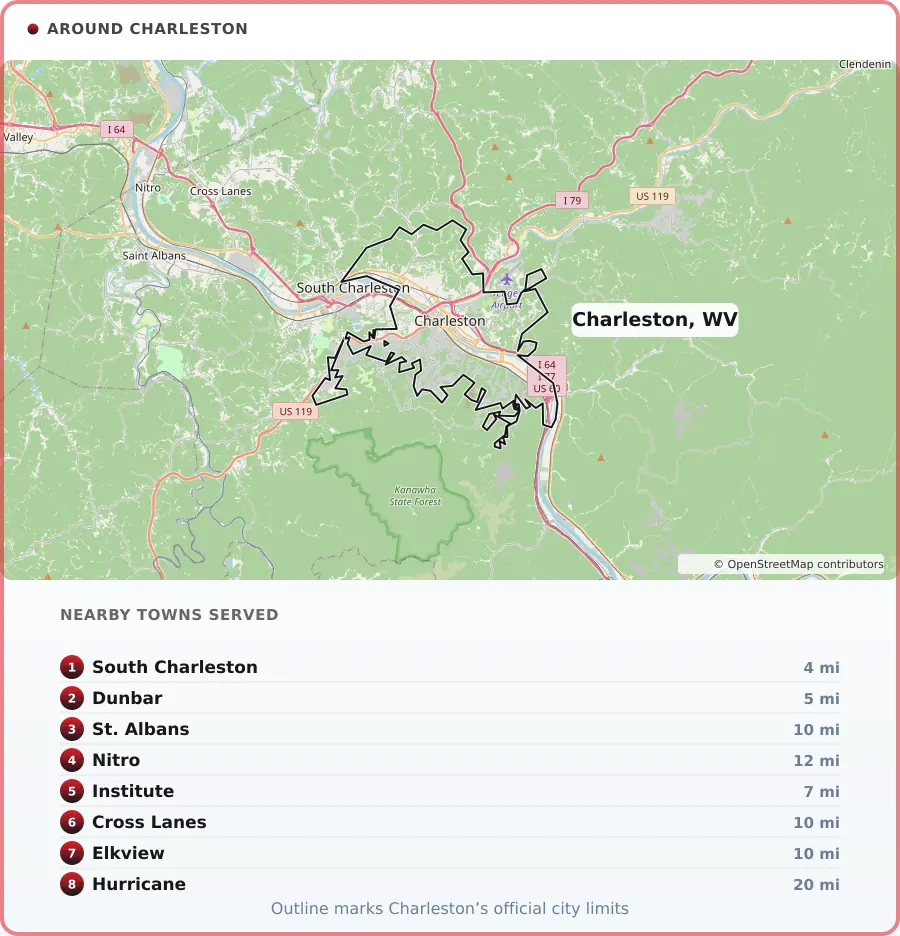
Charleston, WV is the centre of the service area, which extends to 8 surrounding towns. The map shows how far that reaches.
Charleston, WV Information
Tucked where the Elk and Kanawha rivers meet, Charleston, WV serves as both the state capital and the economic heart of the Kanawha Valley. Government offices and institutions like CAMC anchor daily life here, while a long-standing industrial corridor along the river keeps chemical manufacturing, energy, and banking woven into the city's identity. Appalachian Power, City National Bank, and the University of Charleston add further steady footing to a workforce built on public service, healthcare, and education.
With roughly 46,536 residents, Charleston feels like a city that knows its neighbors—from the quiet streets of South Hills to the riverside rhythm of Kanawha City. It's a place shaped by hills, water, and a working history, where small-town familiarity meets capital-city purpose.
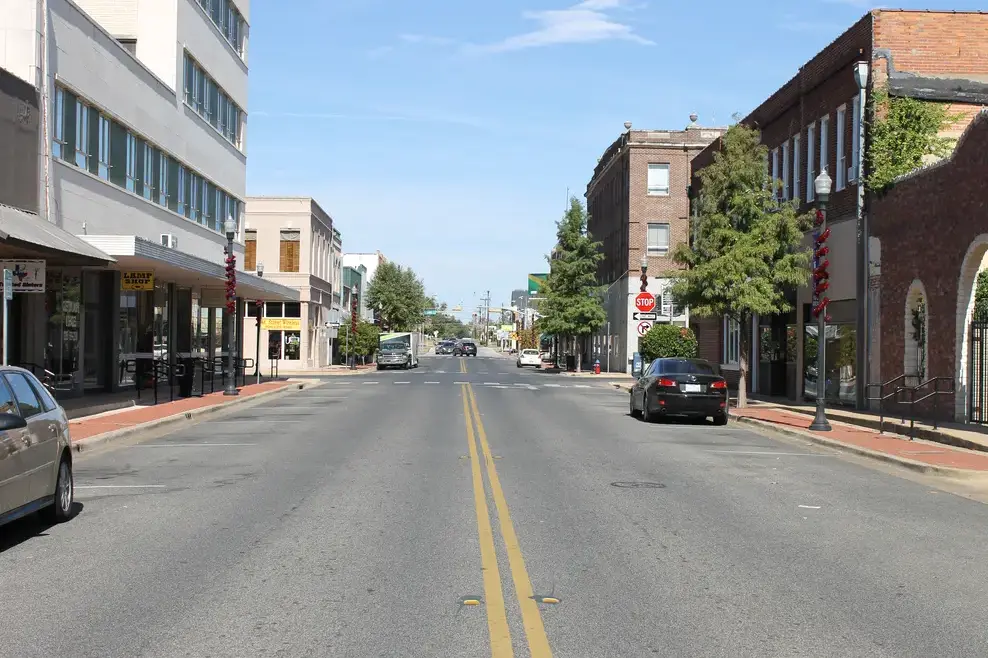
Photo: Billy Hathorn, CC BY-SA 3.0