

Hardwood Floor Water Damage in Charleston, WV
Flash flooding and river overflow from the Kanawha and Elk Rivers pose a serious threat to hardwood floors throughout Charleston, particularly during heavy seasonal rainfall when water rises quickly into homes across neighborhoods like South Hills and the East End. Hardwood floor water damage requires urgent attention to prevent cupping, warping, and permanent loss, and the faster water is removed and drying begins, the better the chance of salvaging your floors. Morrow Water Damage Restoration connects Charleston property owners with independent local restoration providers who respond to water emergencies and work to minimize damage to your hardwood surfaces.
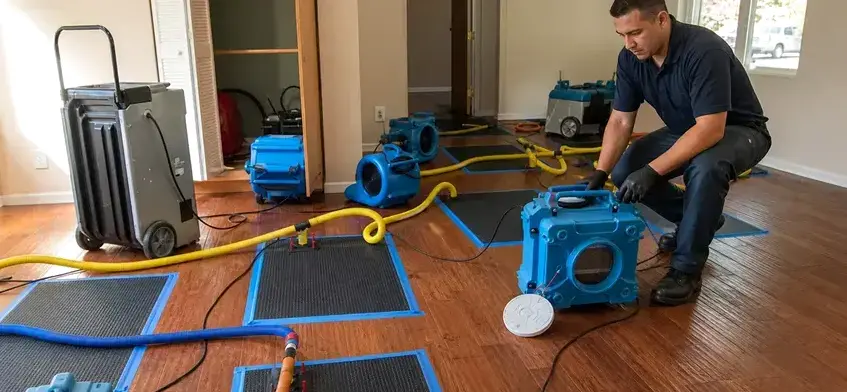
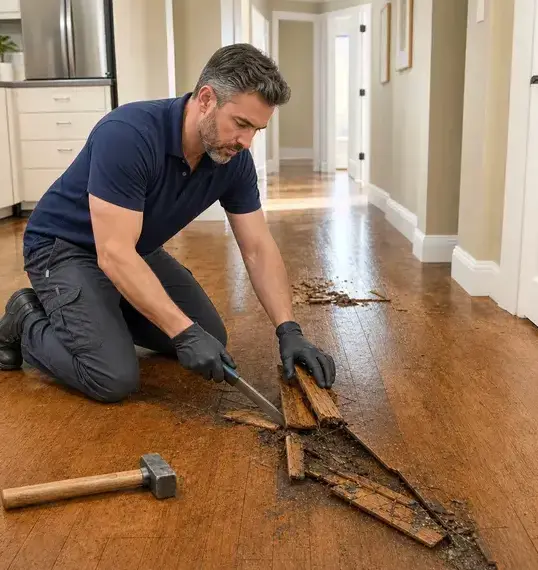
Hardwood Floor Water Damage Restoration in Charleston, WV
Charleston's exposure to seasonal heavy rainfall and river flooding from the Kanawha and Elk Rivers creates genuine risk for properties throughout the area—particularly for hardwood floors, which are among the most vulnerable surfaces in a home. Water intrusion from flooding events can penetrate hardwood planks rapidly, causing cupping, warping, and structural compromise that threatens both the aesthetic and structural integrity of affected rooms. Homeowners in neighborhoods like South Hills and the East End, as well as across Charleston, need fast, knowledgeable restoration when water reaches their hardwood surfaces, since delays and improper drying techniques can lead to permanent damage that removal and replacement cannot always prevent.
Morrow Water Damage Restoration connects Charleston property owners with independent local restoration providers who understand hardwood floor water damage in depth. These providers focus on rapid water extraction, controlled drying, and careful assessment to salvage floors whenever possible—rather than defaulting immediately to replacement. They address not only the visible water damage but also moisture trapped within and beneath the wood, working to prevent secondary issues that emerge long after standing water is cleared. When you contact Morrow, you're connected with a restoration provider ready to respond to your hardwood floor emergency and guide you through recovery and next steps.
Why Charleston Property Owners Trust Morrow for Hardwood Floor Water Damage
Hardwood Floor Water Damage Expertise
Hardwood floors demand specialized knowledge to prevent permanent warping and cupping. Morrow connects you with local providers experienced in assessing moisture depth, determining salvageability, and executing drying protocols that protect your wood investment.
Fast Response to Hardwood Floor Damage
When hardwood absorbs water, minutes matter. Morrow links you with nearby restoration providers ready to mobilize quickly, extract standing water, and begin targeted drying before irreversible damage takes hold of your flooring.
Clear Communication Throughout Restoration
Hardwood floor water damage decisions require transparency. Morrow connects you with providers who explain moisture readings, drying timelines, and realistic outcomes so you understand exactly what to expect for your floors.
River Flooding Preparedness in Charleston
Charleston's location along the Kanawha and Elk Rivers means heavy seasonal rain brings real flood risk to properties throughout the area, including neighborhoods like South Hills and Kanawha City. Having a trusted referral network ready ensures you can connect with local restoration providers fast when rising water threatens your hardwood floors.
How Our Hardwood Floor Water Damage Process Works
From your initial call to the final inspection, we provide a structured, professional, and efficient process to ensure your property is fully restored after Hardwood Floor Water Damage.
Report Your Hardwood Floor Water Damage
Contact Morrow Water Damage Restoration to describe the hardwood floor water damage affecting your Charleston home. We'll connect you with a local independent restoration provider who can assess the extent of moisture penetration and wood swelling as soon as possible.
Assess Hardwood Floor Damage & Drying Strategy
The restoration provider inspects your hardwood floors to determine moisture levels, identify cupping or buckling, and evaluate whether subfloor damage from flash flooding or heavy rain has occurred. They'll develop a targeted drying and restoration plan specific to your hardwood's condition and wood species.
Restore & Monitor Hardwood Floor Recovery
The provider removes standing water, manages humidity and airflow to dry hardwood flooring safely, and addresses any permanent wood damage through sanding, refinishing, or board replacement as needed. Follow-up moisture checks ensure your hardwood floors return to stable condition.
Dealing with Hardwood Floor Water Damage in Charleston? Get fast, professional help.
Call Now — (304) 449-8849Hardwood Floor Water Damage Across Charleston
Hardwood floor water damage in Charleston presents different challenges depending on where a property sits and how it's built. Older homes tucked into hillside neighborhoods often feature basements or crawl spaces—spaces that are especially vulnerable during heavy seasonal rains when the Kanawha and Elk Rivers swell and push water into foundations. When water reaches these lower levels, it can seep upward through foundation walls and subflooring, saturating the hardwood above and causing cupping, warping, and finish damage that spreads quickly if not addressed immediately.
Newer construction in flatter areas, more commonly built on slab foundations, faces a different but equally serious risk: water pooling on or near the surface during flooding events can wick directly into hardwood planks and the materials beneath them. Flash flooding—the primary water threat across the Charleston area during heavy rainfall—doesn't discriminate by foundation type or neighborhood. Whether water enters from a rising basement, seeping crawl space, or surface flooding near a slab-built home, hardwood floors absorb moisture rapidly and begin to fail within hours. Fast response from local restoration providers is critical to prevent permanent damage and the secondary problems that follow prolonged moisture exposure.
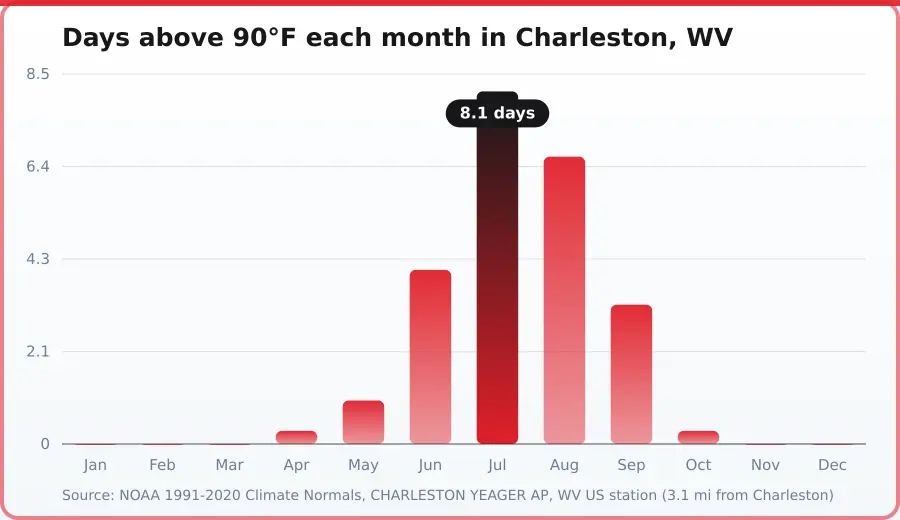
| Period | Days above 90F per month (days) |
|---|---|
| Jan | 0 |
| Feb | 0 |
| Mar | 0 |
| Apr | 0.3 |
| May | 1 |
| Jun | 4 |
| Jul | 8.1 |
| Aug | 6.6 |
| Sep | 3.2 |
| Oct | 0.3 |
| Nov | 0 |
| Dec | 0 |
Source: NOAA 1991-2020 Climate Normals, CHARLESTON YEAGER AP, WV US station (3.1 mi from Charleston). Retrieved October 4, 2026.
Seasonal Hardwood Floor Water Damage Risks in Charleston
Spring: Snowmelt and Heavy Rain
Spring rains and snowmelt from higher elevations swell local waterways, and properties in Charleston—especially those in older hillside neighborhoods with basements or crawl spaces—face heightened risk of water intrusion that damages hardwood floors. Morrow Water Damage Restoration connects you with local providers who respond quickly to water emergencies and assess hardwood floor saturation before permanent warping or mold develops.
Summer: Heat and Humidity Stress
Summer heat intensifies moisture evaporation cycles in hardwood floors already compromised by spring or early-season water exposure. Uneven drying causes cupping, buckling, and finish failure in hardwood, while wood-rot fungi accelerate in humid conditions. Morrow Water Damage Restoration links you with independent restoration specialists who employ targeted drying and moisture monitoring to stabilize hardwood before irreversible damage takes hold.
Fall: Temperature Swings and Secondary Seepage
Autumn temperature fluctuations cause wood to expand and contract, opening seams in hardwood floors already weakened by earlier water exposure and incomplete drying. Cooling nights and warm days trap moisture within floor cavities, prolonging the saturation window. Morrow Water Damage Restoration helps property owners in the Charleston area connect with local providers experienced in extracting hidden moisture from hardwood substructures before cold weather locks in permanent delamination.
Winter: Freeze-Thaw and Structural Stress
Winter cold and thaw cycles stress hardwood floors by forcing trapped moisture to freeze and expand within wood cells, fracturing grain and causing permanent dimensional failure. While ice dams also pose a threat, hardwood damage from frozen water within the wood structure itself often goes unnoticed until spring thaw reveals buckling and splits. Morrow Water Damage Restoration connects you with independent providers who can assess subsurface ice accumulation and plan controlled thawing to prevent catastrophic hardwood failure.
Homeowner Safety Toolkit
Verify Your Charleston, WV Water Damage Restoration Company
Before you hire anyone, use these independent national resources to confirm credentials, standards, and track record.
NADCA
Sets the industry standard for inspecting and cleaning HVAC systems after water damage, so contaminated ductwork doesn't spread moisture through the rest of the house.
Duct & Air StandardsRIA
A national trade association whose member companies agree to a written code of ethics covering honest estimates, safety, and fair billing.
Code of EthicsBBB
Look up any restoration company's complaint history, customer reviews, and accreditation status — a free, independent check before you hire.
Check StandingHardwood Floor Water Damage FAQs — Charleston, WV
Hardwood floor water damage typically appears as buckling, cupping, or warping of boards, along with discoloration and soft spots. You may notice swelling at the edges of planks, a musty odor, or separation between boards. Early detection—within the first 24–48 hours—gives local restoration providers the best chance to salvage more of your flooring before permanent structural damage occurs.
Morrow Water Damage Restoration connects Charleston property owners to local independent restoration providers who respond to hardwood floor water damage emergencies. Once you reach out, we work to link you with a provider in your area who can assess the damage and begin mitigation work promptly. Immediate contact ensures faster response during critical early hours when floor salvage is still possible.
Restoration costs depend on the extent of saturation, the size of the affected area, wood species, and how long moisture has been present. If subfloor damage has occurred, costs increase. Providers may charge differently for extraction, drying, and floor replacement or refinishing. The independent restoration provider you're connected with will assess your specific situation and discuss pricing during inspection.
The restoration process typically includes water extraction, moisture assessment with specialized equipment, controlled drying of the hardwood and subfloor, and evaluation of which boards can be saved versus replaced. Your home may need fans, dehumidifiers, and air movers running for days. The local provider will explain the timeline and keep you informed as the hardwood gradually returns to safe moisture levels.
Once water contacts hardwood, swelling begins naturally. However, fast water removal and professional drying significantly reduce the extent of permanent damage. Maintain proper indoor humidity year-round, address plumbing leaks promptly, and ensure gutters and downspouts direct water away from your foundation. Quick action by a local restoration provider is your strongest defense against irreversible hardwood floor harm.
Charleston properties face elevated risk during heavy seasonal rainfall when nearby rivers rise. Homes in areas like the South Hills and East End may experience basement or crawl space flooding that can quickly spread to ground-level hardwood flooring. Understanding your property's location relative to flood-prone areas and addressing water intrusion promptly helps protect hardwood from seasonal water events.
Dealing with Hardwood Floor Water Damage in Charleston, WV? Call (304) 449-8849 for 24/7 help.
Call Now — (304) 449-8849Areas We Serve Near Charleston, West Virginia
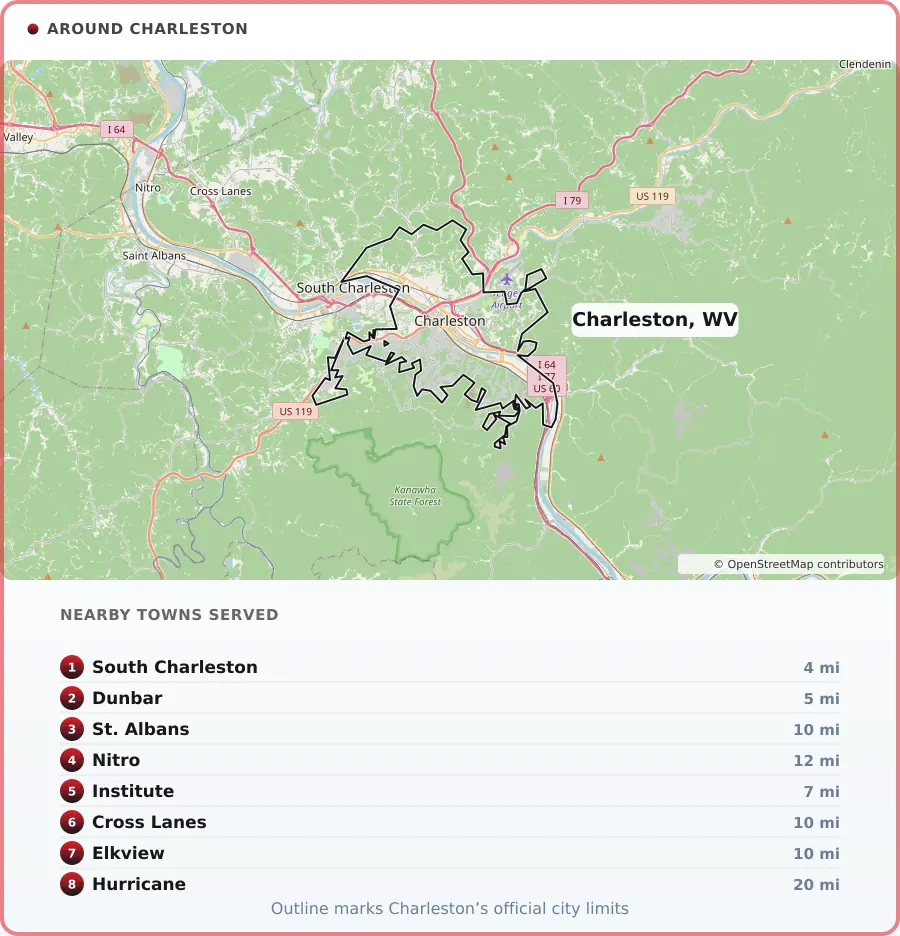
Charleston, WV is the centre of the service area, which extends to 8 surrounding towns. The map shows how far that reaches.
Charleston, WV Information
Tucked where the Elk and Kanawha rivers meet, Charleston, WV serves as both the state capital and the economic heart of the Kanawha Valley. Government offices and institutions like CAMC anchor daily life here, while a long-standing industrial corridor along the river keeps chemical manufacturing, energy, and banking woven into the city's identity. Appalachian Power, City National Bank, and the University of Charleston add further steady footing to a workforce built on public service, healthcare, and education.
With roughly 46,536 residents, Charleston feels like a city that knows its neighbors—from the quiet streets of South Hills to the riverside rhythm of Kanawha City. It's a place shaped by hills, water, and a working history, where small-town familiarity meets capital-city purpose.
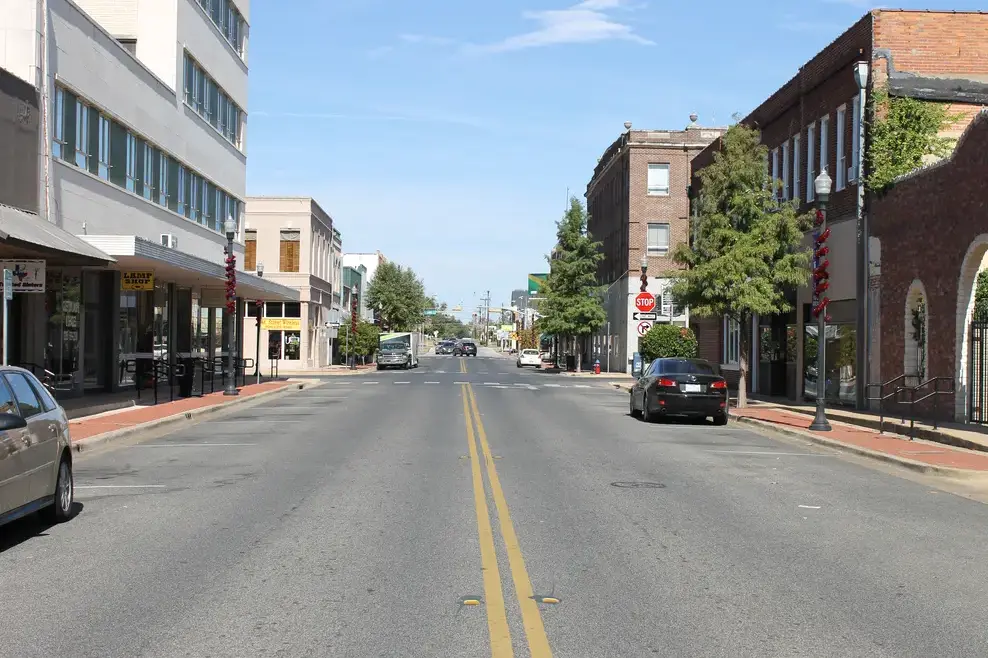
Photo: Billy Hathorn, CC BY-SA 3.0