

Ceiling Water Damage in Charleston, WV
Heavy seasonal rains bring flash flooding and river overflow from the Kanawha and Elk Rivers across Charleston, and ceiling water damage often follows as water infiltrates roofs and upper floors during these events. Morrow Water Damage Restoration connects Charleston property owners—from South Hills to the East End—with local restoration providers who respond quickly to extract water, assess structural damage, and begin drying to prevent secondary issues. Fast local response helps protect your home's integrity and contents when ceiling water damage strikes.
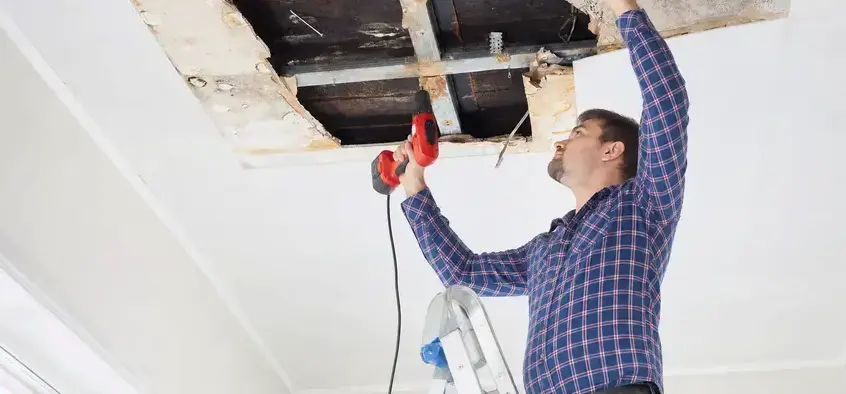
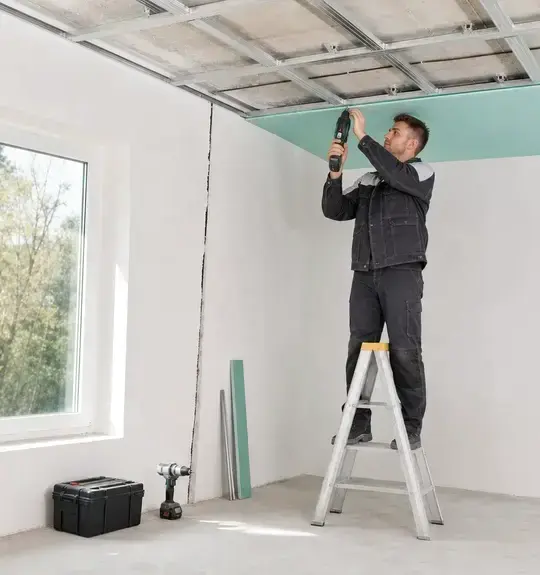
Ceiling Water Damage Restoration for Charleston Homes
Charleston property owners face a persistent risk from seasonal flooding along the Kanawha and Elk Rivers, particularly during heavy rain events. When floodwaters rise or prolonged rainfall overwhelms drainage systems, water intrusion from above—through roofs, around upper-floor windows, or via compromised attic spaces—becomes a primary concern for residents throughout the area. Ceiling water damage in Charleston can develop quickly, affecting structural integrity, insulation, and the materials that protect your home's interior. The longer water remains in ceiling cavities and above-ceiling spaces, the greater the risk of spreading damage and compromised materials becoming harder to fully restore.
Morrow Water Damage Restoration connects Charleston property owners with independent local providers who focus specifically on identifying and addressing ceiling water damage at its source. These providers work to locate entry points, assess water saturation in ceiling materials and framing, manage water extraction and drying, and coordinate necessary repairs. They document the damage for insurance purposes and follow through on moisture removal to help prevent secondary issues. If you're dealing with active water intrusion or suspect hidden moisture above your ceilings, reaching out for a rapid local response gives you the best chance of limiting the scope of damage.
Why Charleston Property Owners Choose Morrow Water Damage Restoration
Fast Response to Ceiling Water Damage
Ceiling water damage spreads quickly and worsens without prompt attention. Morrow connects you directly to local restoration providers who prioritize rapid arrival and assessment, limiting damage and preventing secondary issues like structural decay.
Thorough Ceiling Water Damage Treatment
Complete ceiling water damage restoration requires more than surface cleanup. The independent local providers Morrow connects you to address hidden moisture, structural saturation, and drying in walls and overhead cavities to prevent long-term failure.
Clear Communication Throughout Repair
Ceiling water damage restoration involves multiple steps and timelines. Morrow's network of local providers keeps you informed at every stage, explaining findings, next steps, and what to expect as your ceiling is restored.
Charleston's Seasonal Flood Risk Above Your Head
Heavy seasonal rains and flooding from the Kanawha and Elk Rivers expose Charleston homes to water intrusion from above and rising groundwater. Ceiling damage often signals broader water entry; local providers understand these patterns and address root causes, not just visible damage.
How Our Ceiling Water Damage Process Works
From your initial call to the final inspection, we provide a structured, professional, and efficient process to ensure your property is fully restored after Ceiling Water Damage.
Report Your Ceiling Water Damage
Contact Morrow Water Damage Restoration to describe ceiling water damage at your Charleston property. We'll connect you with an independent local restoration provider who can respond quickly to assess the extent of water intrusion and structural impact.
Assess Ceiling Water Damage Severity
The local provider inspects your ceiling to identify the water source—whether from roof leaks, upper-floor plumbing, or seasonal flooding common to Charleston's river valleys. They document damage and recommend immediate steps to prevent structural failure and secondary issues.
Restore and Monitor Ceiling
The provider removes saturated materials, dries the affected area, and repairs or replaces ceiling sections as needed. Follow-up inspections ensure no hidden moisture remains, protecting your home's structural integrity long-term.
Dealing with Ceiling Water Damage in Charleston? Get fast, professional help.
Call Now — (304) 449-8849Ceiling Water Damage Risk Across Charleston
Charleston's position along the Kanawha and Elk Rivers creates a specific ceiling water damage risk during seasonal heavy rainfall and flooding events. Properties throughout the city—from older hillside neighborhoods like South Hills and Spring Hill to newer developments on flatter terrain—face exposure when river levels rise and water infiltrates through roofs, upper-story walls, and attic spaces. Homes built into sloped terrain often experience water entry from multiple directions during these events, while those in lower-lying areas may see water damage begin from upper levels as groundwater pressure and overflow affect foundation walls and crawl spaces that connect to living areas above.
Ceiling damage from flood events can involve not just visible water staining but also structural concerns: saturated drywall, compromised insulation, and wood framing that requires rapid assessment and drying to prevent lasting deterioration. The urgency increases in older construction, where materials may be more vulnerable to prolonged moisture exposure. If your property has sustained ceiling water damage from flooding or heavy rain in Charleston, connecting with a local restoration provider as soon as possible helps prevent secondary damage and mold growth in hidden spaces.
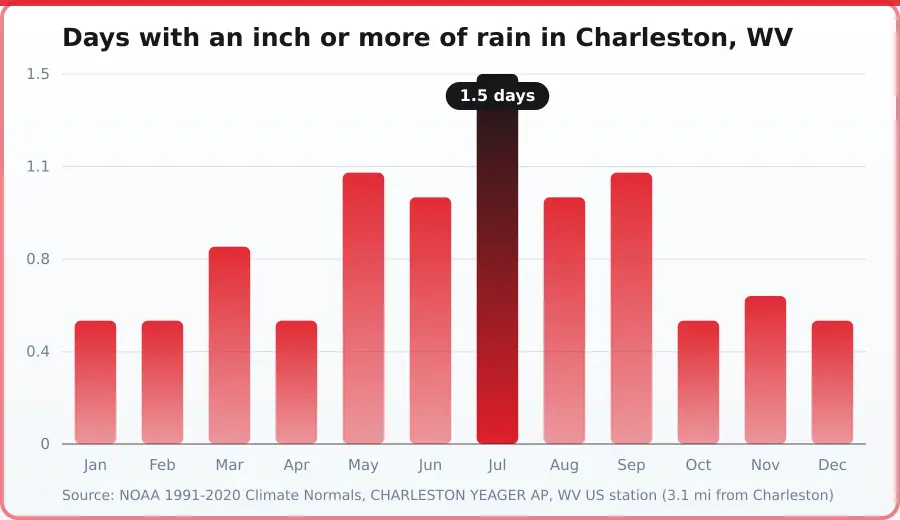
| Period | Days with an inch or more of rain (days) |
|---|---|
| Jan | 0.5 |
| Feb | 0.5 |
| Mar | 0.8 |
| Apr | 0.5 |
| May | 1.1 |
| Jun | 1 |
| Jul | 1.5 |
| Aug | 1 |
| Sep | 1.1 |
| Oct | 0.5 |
| Nov | 0.6 |
| Dec | 0.5 |
Source: NOAA 1991-2020 Climate Normals, CHARLESTON YEAGER AP, WV US station (3.1 mi from Charleston). Retrieved October 4, 2026.
Seasonal Ceiling Water Damage Risks in Charleston
Spring: Thaw and Saturation
Spring snowmelt and heavy seasonal rainfall increase ceiling water damage risk as saturated soil around foundations puts upward pressure on older structures. Morrow Water Damage Restoration connects you with local providers who respond quickly to identify active leaks and begin water extraction before ceiling materials fail.
Summer: Heat and Humidity
High humidity in summer slows ceiling drying after water intrusion, allowing moisture to linger in framing and insulation layers where mold can develop. Local restoration providers accessible through Morrow assess moisture levels and deploy targeted drying to prevent secondary damage that humid conditions accelerate.
Fall: Heavy Rain Events
Autumn brings intense rainfall that can overwhelm roof drainage systems and saturate attics, causing ceiling water damage in homes throughout Charleston's hillside and river-adjacent neighborhoods. Morrow Water Damage Restoration connects property owners with nearby providers equipped to extract standing water and restore affected ceiling areas before structural decay advances.
Winter: Freeze-Thaw Stress
Repeated freezing and thawing cycles in winter force existing roof and wall cracks wider, allowing meltwater to seep into ceiling cavities where it refreezes and expands. Morrow helps you reach local restoration specialists who can document damage, manage moisture, and assess whether ice dam formation has compromised your ceiling structure.
Homeowner Safety Toolkit
Verify Your Charleston, WV Water Damage Restoration Company
Before you hire anyone, use these independent national resources to confirm credentials, standards, and track record.
NADCA
Sets the industry standard for inspecting and cleaning HVAC systems after water damage, so contaminated ductwork doesn't spread moisture through the rest of the house.
Duct & Air StandardsRIA
A national trade association whose member companies agree to a written code of ethics covering honest estimates, safety, and fair billing.
Code of EthicsBBB
Look up any restoration company's complaint history, customer reviews, and accreditation status — a free, independent check before you hire.
Check StandingCeiling Water Damage FAQs — Charleston, WV
Ceiling water damage occurs when water penetrates from above—typically through the roof or upper-floor plumbing—and saturates drywall, insulation, and structural framing. You may notice discoloration, sagging, soft spots, or peeling paint. The damage can worsen quickly as water continues to absorb into materials. A local restoration provider will assess the extent, identify the water source, remove affected materials, dry the area thoroughly, and begin repairs once it's safe and dry.
Active water damage to your ceiling requires urgent attention. Morrow Water Damage Restoration connects Charleston property owners with local independent restoration providers who understand the time-sensitive nature of water intrusion. Contact us as soon as you discover ceiling water damage, and we'll work to connect you quickly with a provider ready to assess and begin mitigation work in your area.
Repair costs depend on the size and severity of the damage, the materials affected (drywall, insulation, framing), whether structural issues are present, and the extent of drying needed. Additional factors include accessibility, whether the water source must be repaired first, and local labor rates. The independent provider you work with will inspect the damage and provide an estimate. Many homeowners' insurance policies cover water damage; check your policy details.
The restoration process begins with identifying and stopping the water source. The provider will extract standing water, remove saturated materials, set up drying equipment, monitor moisture levels, and apply treatments to prevent mold growth. Once the area is fully dry and safe, damaged drywall and other materials are replaced. Proper ventilation and humidity control are critical throughout to prevent secondary damage and ensure a complete restoration.
Regularly inspect your roof for missing shingles, flashing damage, and debris buildup that can trap water. Check attics and upper floors for leaks after heavy rain, and address plumbing issues promptly. Maintain gutters and downspouts to direct water away from your home. Poor drainage around your foundation or low-lying roof areas can collect water; ensure grading slopes away from the structure. Quick repairs of small leaks prevent them from becoming major ceiling damage.
Charleston faces significant flooding risk from the Kanawha and Elk Rivers during periods of heavy seasonal rainfall. Flash flooding and elevated water levels can overwhelm drainage systems and force water into homes through multiple entry points, including ceilings and upper-story areas. Homes in older hillside neighborhoods and those with basements or crawl spaces may be especially vulnerable. Knowing your property's elevation and flood history helps you prepare for and respond quickly to water intrusion.
Dealing with Ceiling Water Damage in Charleston, WV? Call (304) 449-8849 for 24/7 help.
Call Now — (304) 449-8849Areas We Serve Near Charleston, West Virginia
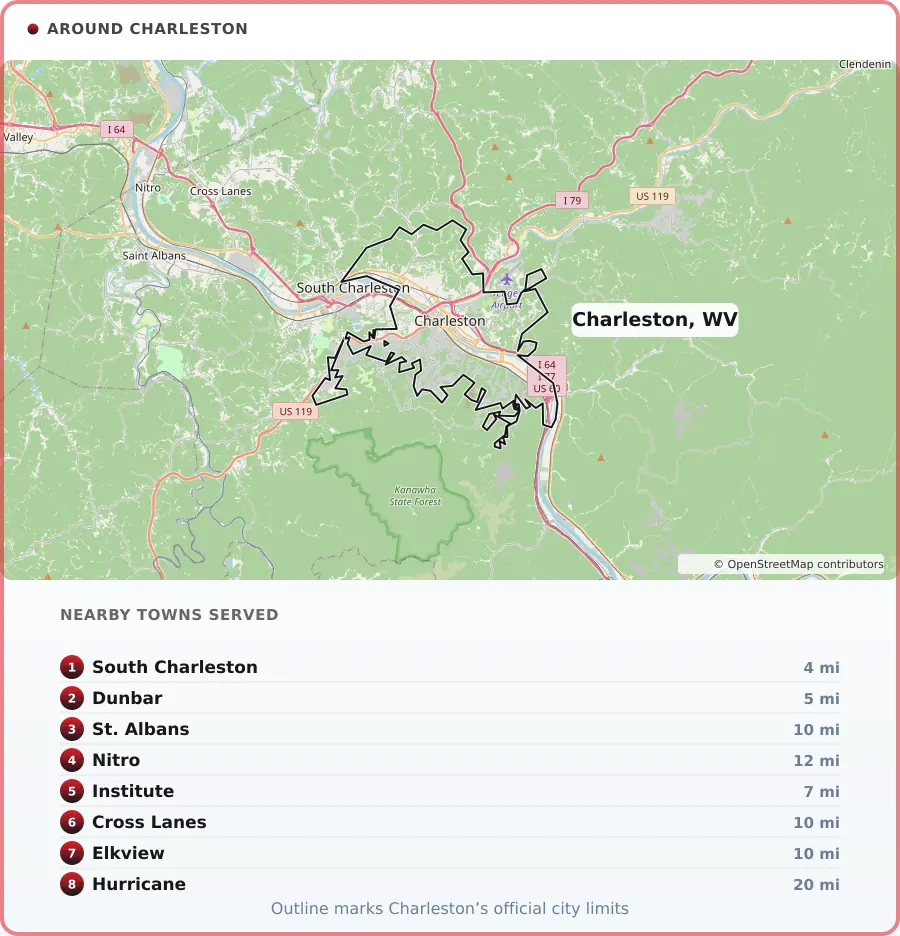
Charleston, WV is the centre of the service area, which extends to 8 surrounding towns. The map shows how far that reaches.
Charleston, WV Information
Tucked where the Elk and Kanawha rivers meet, Charleston, WV serves as both the state capital and the economic heart of the Kanawha Valley. Government offices and institutions like CAMC anchor daily life here, while a long-standing industrial corridor along the river keeps chemical manufacturing, energy, and banking woven into the city's identity. Appalachian Power, City National Bank, and the University of Charleston add further steady footing to a workforce built on public service, healthcare, and education.
With roughly 46,536 residents, Charleston feels like a city that knows its neighbors—from the quiet streets of South Hills to the riverside rhythm of Kanawha City. It's a place shaped by hills, water, and a working history, where small-town familiarity meets capital-city purpose.
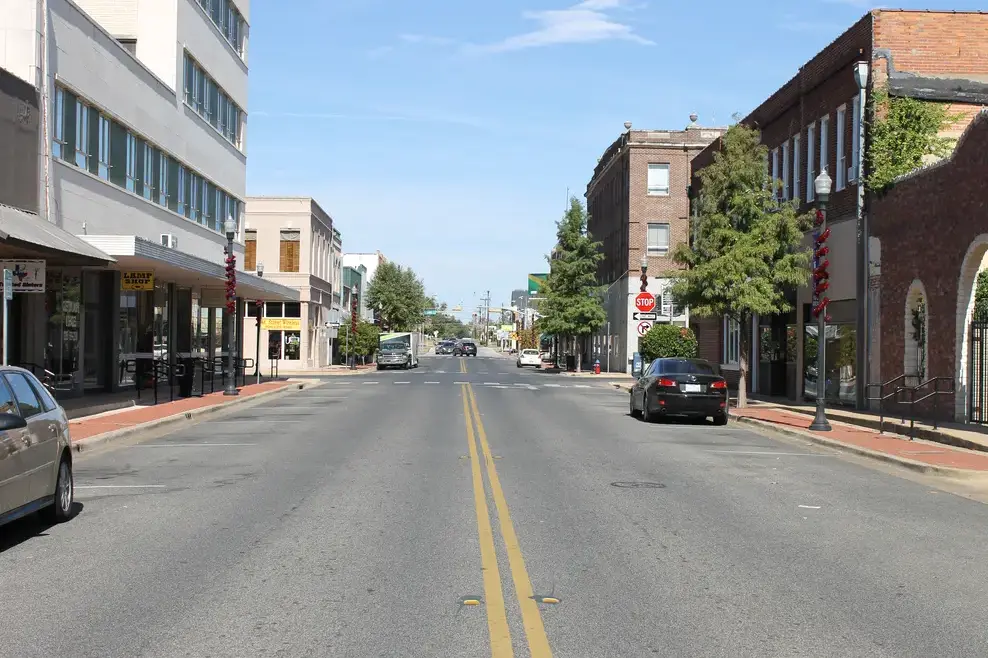
Photo: Billy Hathorn, CC BY-SA 3.0